 Electrical
 Table of Contents
Your electrical panel might be the most important thing in your home that you never think about. Tucked away in the basement, garage, or utility closet, it quietly distributes power to every room, every outlet, and every appliance in your house. It’s the heart of your electrical system - and when something goes wrong with it, everything else follows.
What Does Your Electrical Panel Actually Do?
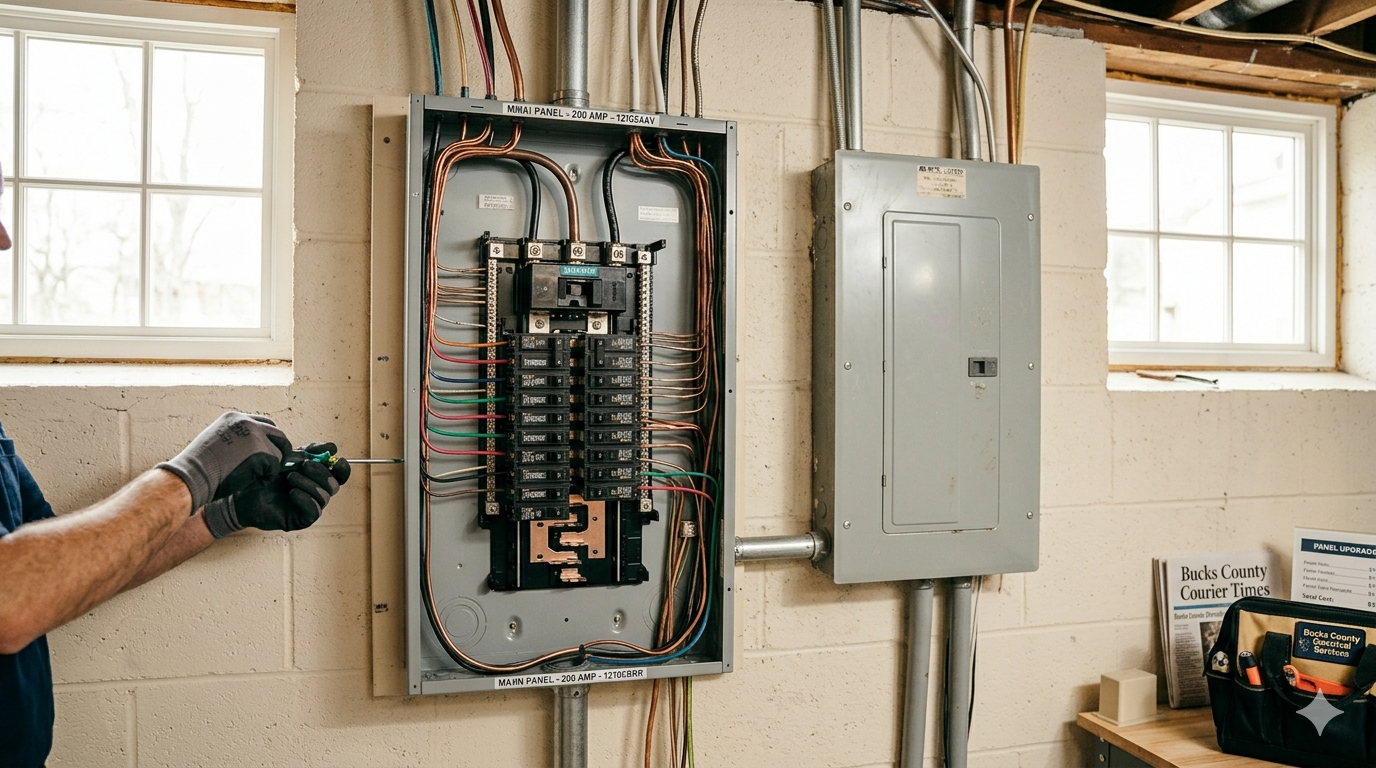
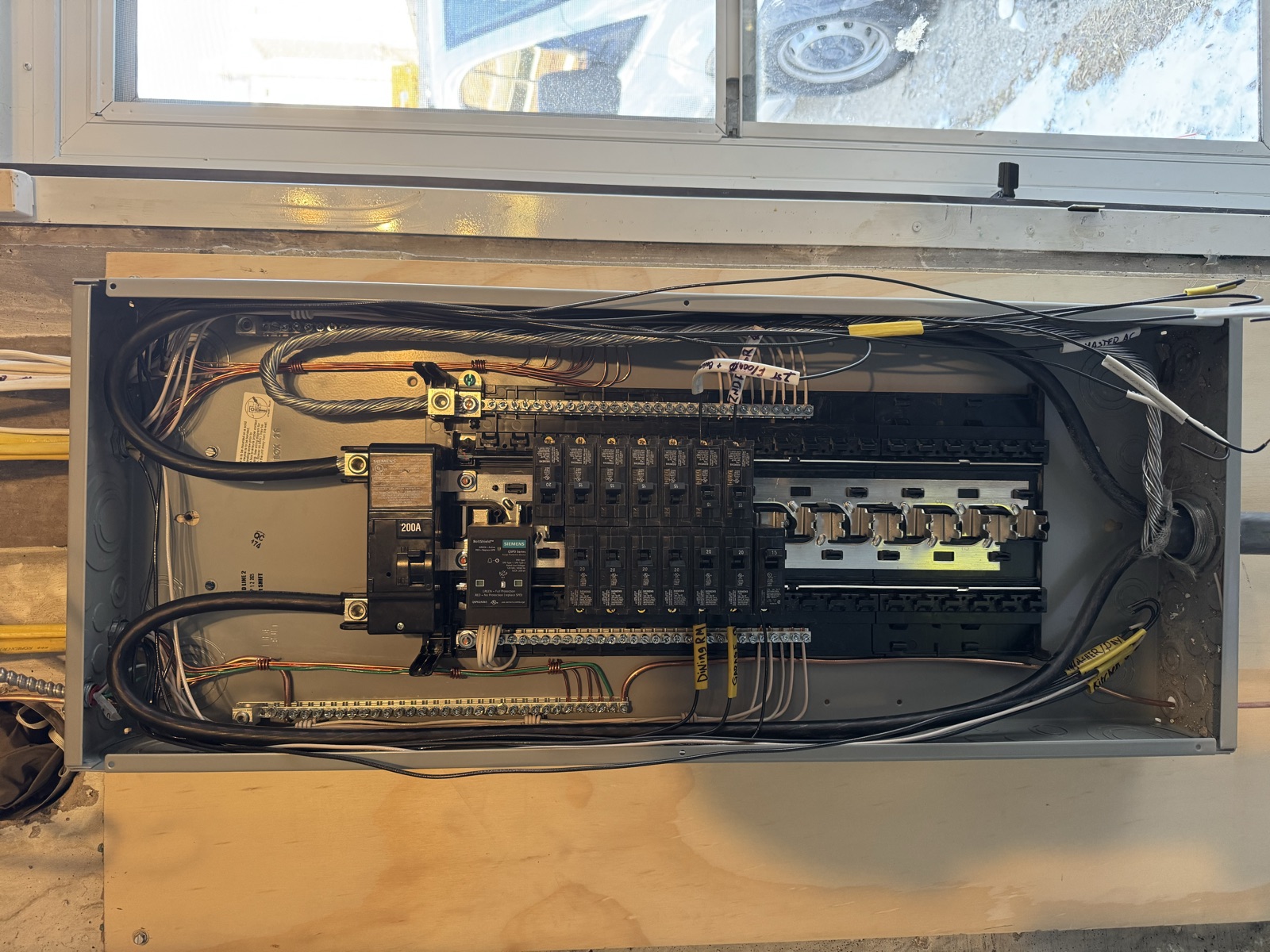
The electrical panel (also called a breaker box or load center) takes the power coming in from the utility company and splits it into individual circuits. Each circuit is protected by a breaker that trips if too much current flows through it, preventing overheating and potential fires.
Every time you flip a light switch, plug in a phone charger, or turn on the AC, the panel is doing its job.
Signs Your Panel May Need Attention
Most homeowners don’t think about their panel until something goes wrong. Here are the warning signs:
- Breakers trip frequently - If you’re constantly resetting breakers, your panel may be overloaded or circuits are undersized for the load.
- Lights flicker when appliances turn on - This usually means circuits are sharing loads they shouldn’t be.
- Burning smell or scorch marks - This is an emergency. Shut off the main breaker and call an electrician immediately.
- The panel is warm to the touch - Panels should never feel hot. Warmth indicates loose connections or overloaded circuits.
- You still have a fuse box - Fuse panels were phased out decades ago. If you have one, it’s time for a modern breaker panel.
- Double-tapped breakers - Two wires on one breaker is a code violation and a fire hazard.
When Is It Time to Upgrade?
If your home has a 100-amp panel and you’re adding an EV charger, a hot tub, a home office, or upgrading your HVAC system, you likely need a 200-amp service upgrade. The same goes if you’re planning a kitchen renovation, finishing a basement, or adding any major electrical load.
A modern 200-amp panel gives you room to grow. It handles today’s electrical demands and leaves capacity for whatever comes next.
What Does an Upgrade Involve?
A typical panel upgrade in Bucks County involves:
- Pulling a permit - All panel work requires a permit and inspection from the local municipality.
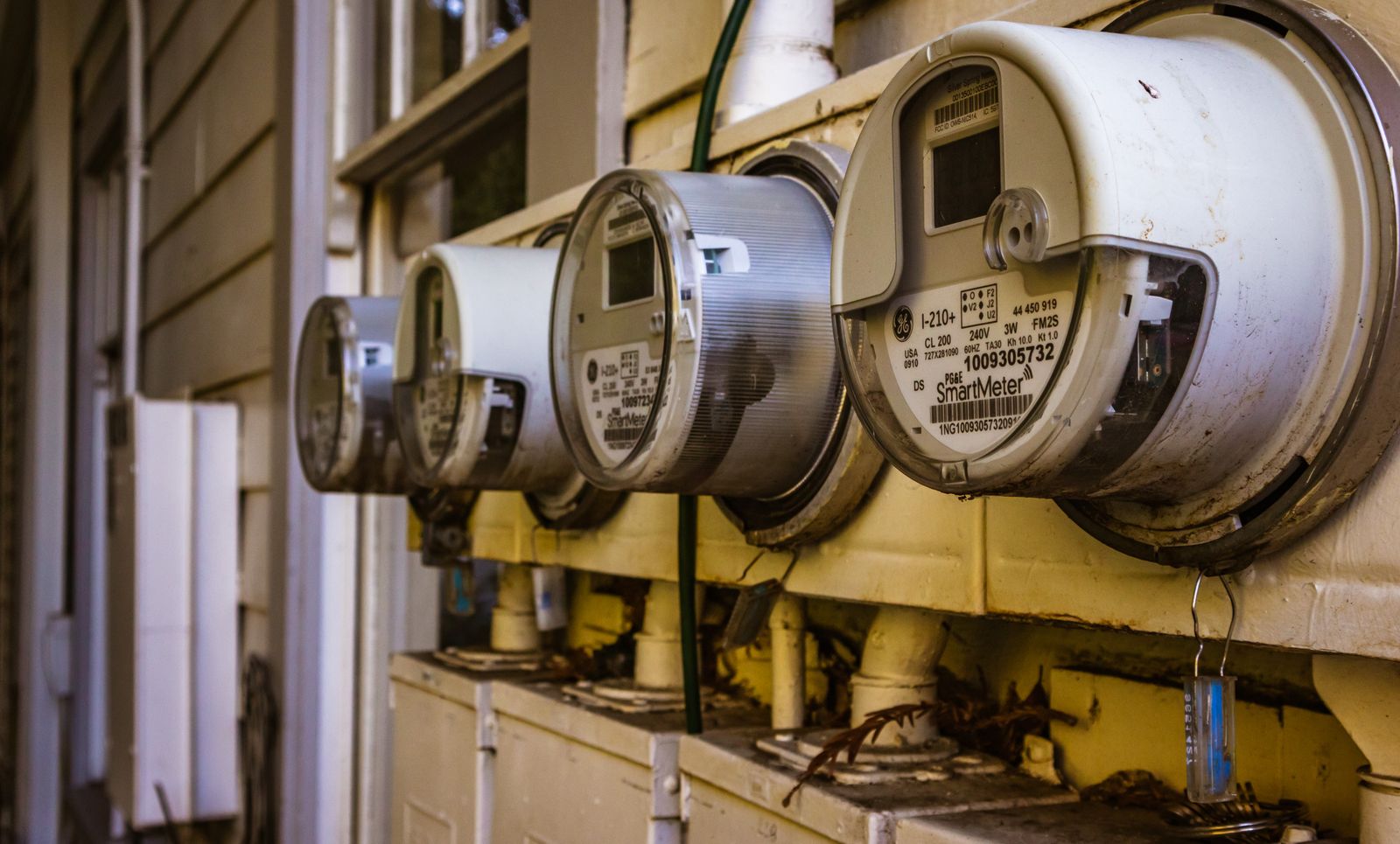
- Coordinating with the utility - PECO needs to disconnect and reconnect service at the meter.
- Replacing the panel - The old panel comes out, new panel goes in with properly sized breakers for each circuit.
- Labeling and testing - Every circuit gets labeled and tested to make sure it’s working correctly.
- Inspection - The electrical inspector verifies everything meets the current NEC code.
The whole process typically takes one day for a straightforward swap, though some homes with older wiring may take longer.
Don’t Ignore Your Panel
Your electrical panel is doing critical work 24/7. If it’s outdated, undersized, or showing warning signs, don’t wait for a failure. A panel upgrade is one of the highest-value investments you can make in your home - it improves safety, increases property value, and gives you the capacity for modern electrical demands.
If you’re in Bucks County or Montgomery County and want your panel evaluated, give us a call at (215) 974-0720. We’ll tell you exactly what you’re working with and whether an upgrade makes sense for your situation.
Sponsored
Need a Licensed Electrician?
Serving Bucks & Montgomery County. Free estimates on all projects.
Get Your Free EstimateNeed Help With This?
Graff's Electric & IT Solutions is here to help with all your electrical and technology needs in Bucks & Montgomery County.