 Electrical
 Table of Contents
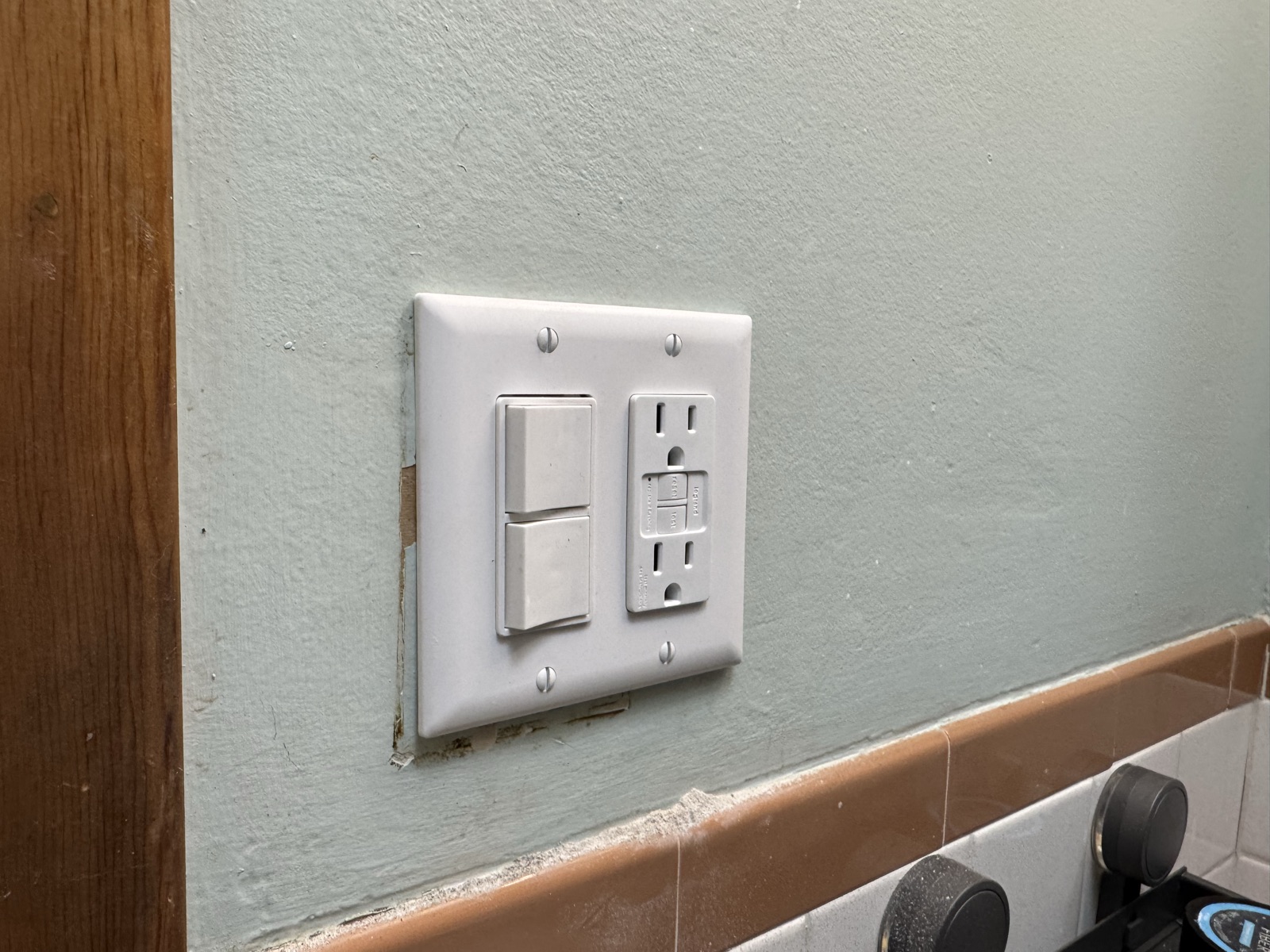
When you look at a standard outlet and a tamper-resistant outlet side-by-side, they appear almost identical. But under that plain white cover hides a quietly heroic upgrade that modern electrical codes rely on to keep homes safer - especially homes with kids.
Let’s peel back the wall plate.
What Is a Standard Outlet?
A standard electrical receptacle is the familiar two-vertical-slots-and-one-ground design that’s been used for decades. It delivers power just fine, but it has zero built-in protection from foreign objects being pushed into it.
Common issues with standard outlets:
-
Easy to insert objects other than plugs
-
Higher risk of electrical shock
-
No mechanical barrier inside the outlet
-
Not permitted by today’s NEC code in most areas of a home
If electricity were a door, a standard outlet is one that’s left unlocked.
What Makes a Tamper-Resistant Outlet Different?
A tamper-resistant receptacle (TRR) looks the same, works the same, and plugs in the same. But inside the outlet are spring-loaded shutters that only open when a proper plug pushes both sides evenly at the same time.
This stops curious little explorers - or adults doing accidental “why isn’t this fitting?” maneuvers - from putting anything dangerous into the outlet.
Key features of TR outlets:
-
Built-in shutters that stay closed unless a plug is inserted correctly
-
Prevents contact with live electrical parts
-
Required by the National Electrical Code in new homes, renovations, and most living spaces
-
Same price range as standard outlets, but dramatically safer
Picture the shutters as two tiny guards that only step aside when they recognize a real plug.
Why the NEC Requires Them
The NEC adopted TR outlets because they significantly reduce shock incidents involving kids. Before TR outlets became standard, an estimated 2,400 children were treated every year in emergency rooms from inserting objects into receptacles.
Tamper-resistant outlets make that scenario almost impossible.
They’re required in:
-
Living areas
-
Bedrooms
-
Kitchens
-
Hallways
-
Basements
-
Playrooms
-
Essentially anywhere people might plug something in
(Outdoor GFCIs and specialty outlets also come in TR versions.)
Do Tamper-Resistant Outlets Make Plugging Harder?
This is a common question. Good news: A properly installed TR outlet shouldn’t feel stiff or difficult. There’s a slight “push” you’ll notice, but nothing that stops normal use.
If you feel like you’re wrestling a small dragon every time you plug something in, the outlet might be a poor-quality brand or installed incorrectly.
Is It Worth Upgrading?
Absolutely. The upgrade cost is small, and the payoff is long-term safety.
A typical homeowner upgrades when:
-
Replacing outdated or worn outlets
-
Finishing a basement
-
Remodeling rooms
-
Childproofing a home
-
Selling a house and needing to meet current code
For homes with kids or guests, they’re a must-have. For everyone else, they’re inexpensive peace of mind.
The Bottom Line
Both outlets deliver power, but only one delivers built-in protection. The difference is subtle on the wall… but huge when it comes to safety.
A standard outlet powers your devices. A tamper-resistant outlet protects everyone in the home while powering your devices.
If your home still has older receptacles, upgrading them is one of the simplest and most affordable electrical safety improvements you can make.
Sponsored
Need a Licensed Electrician?
Serving Bucks & Montgomery County. Free estimates on all projects.
Get Your Free EstimateNeed Help With This?
Graff's Electric & IT Solutions is here to help with all your electrical and technology needs in Bucks & Montgomery County.