 Smart Home
 Table of Contents
Smart lighting is one of the most popular smart home upgrades for homeowners in Bucks County and Montgomery County - and for good reason. It’s visible every day, saves energy over time, adds genuine convenience, and makes a home feel more modern without a full renovation. But the options can be overwhelming: smart bulbs, smart switches, dimmers, scenes, voice control, app control. Where do you start?
This guide cuts through the noise and gives you a straightforward breakdown of what smart lighting actually involves, what it costs, and how to get it installed correctly.
Smart Switches vs. Smart Bulbs: Which Approach Is Right for You?
This is the first fork in the road, and the answer changes the entire direction of your project.
Smart Bulbs
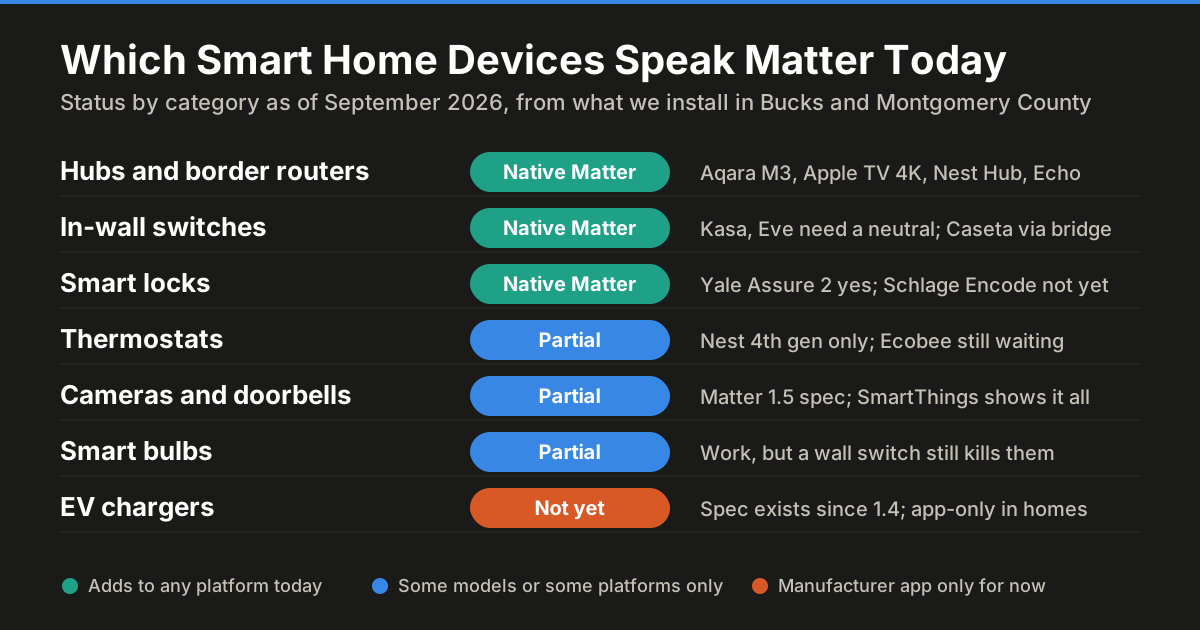
Smart bulbs (Philips Hue, LIFX, Sengled) screw into existing fixtures and connect to your Wi-Fi or a dedicated hub. They’re easy to install yourself and offer per-bulb color and brightness control.
The catch: Smart bulbs require the wall switch to stay in the “on” position at all times. If anyone in the house flips the switch off, the bulb loses power and goes offline - and then someone always flips the switch. This creates friction in multi-person households and is a common source of frustration.
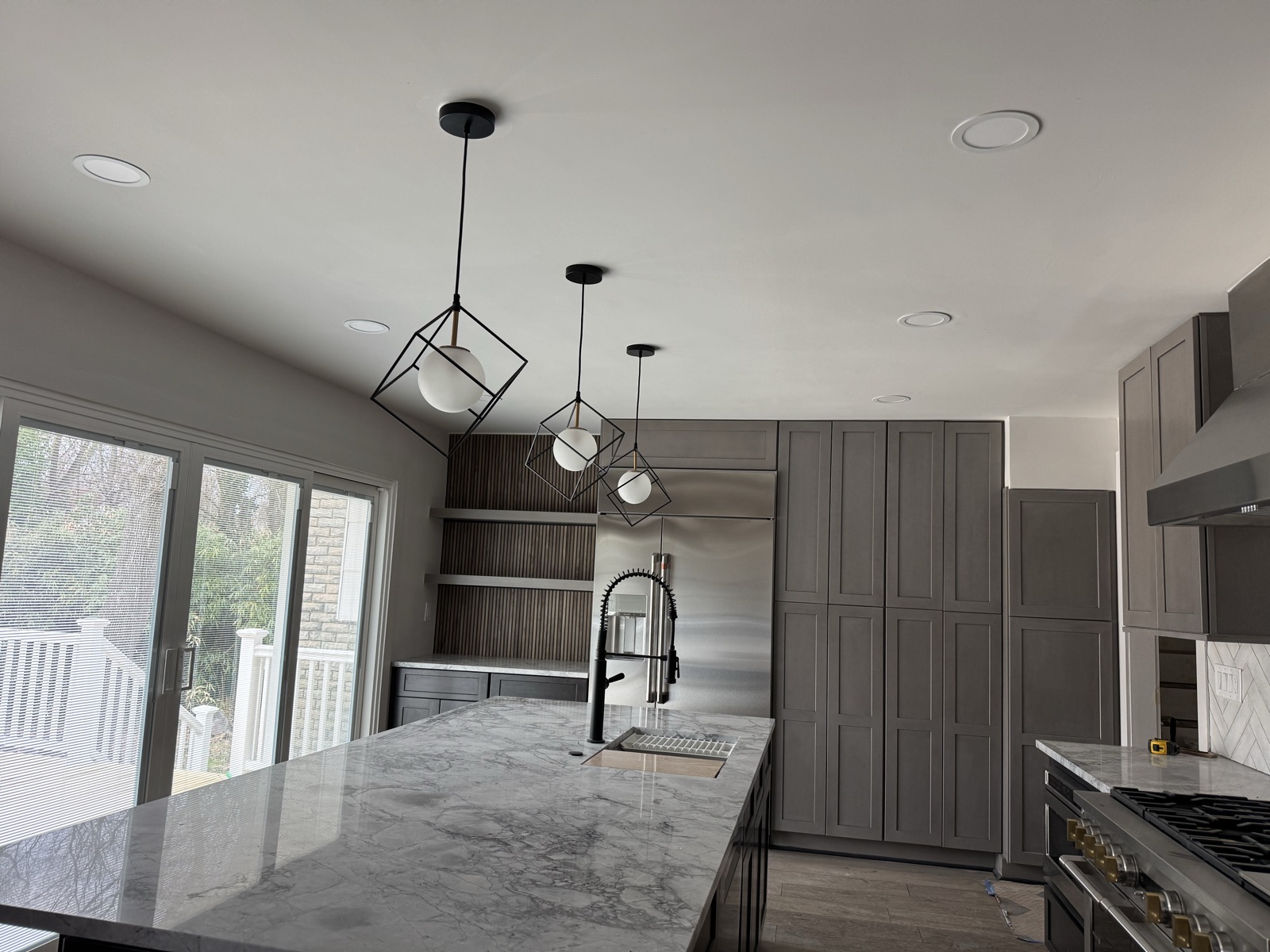
Smart bulbs make the most sense for lamps, accent lighting, and single-fixture situations where you control everything from your phone or a voice assistant.
Smart Switches and Dimmers
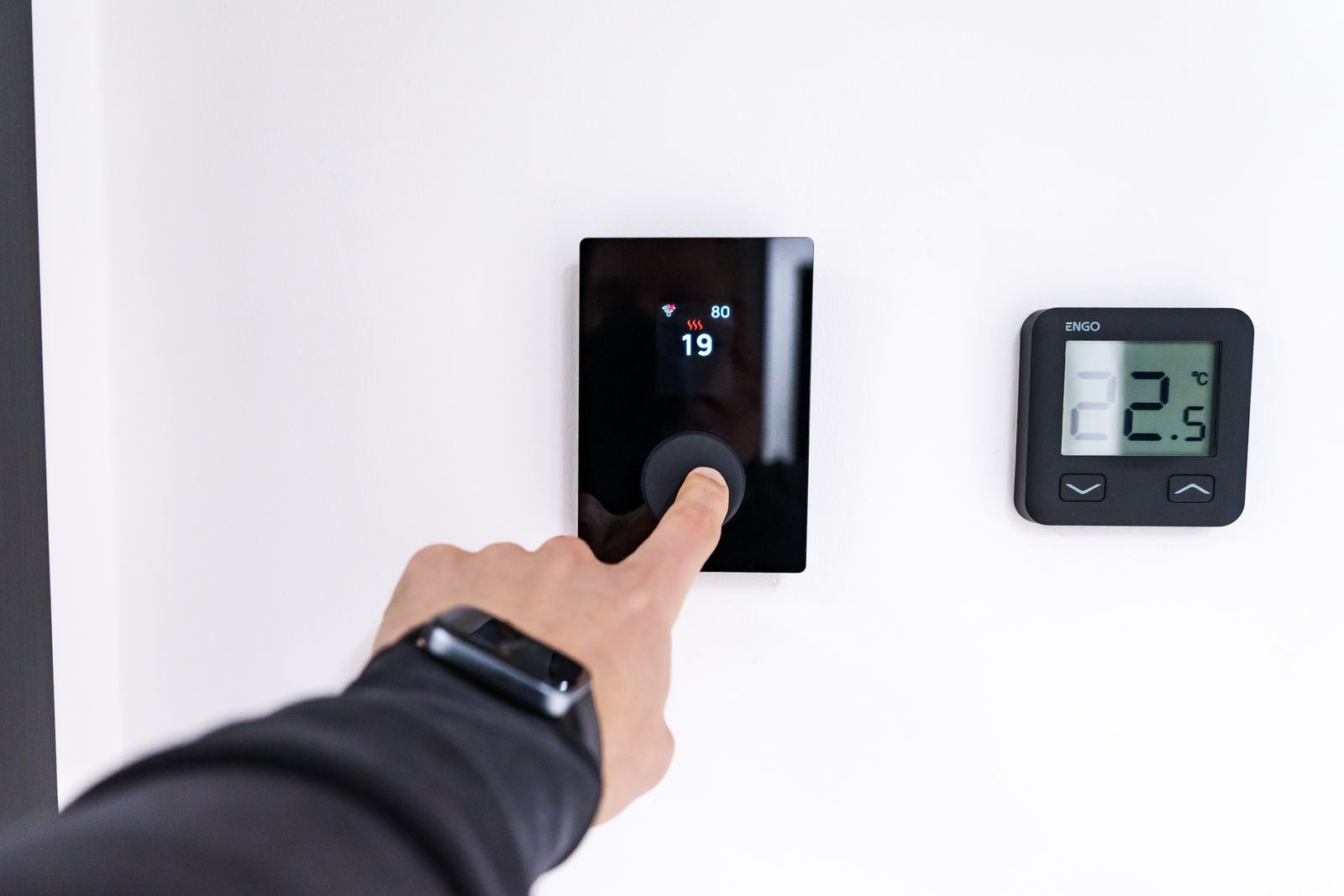
Smart switches replace the physical switch on the wall. The bulbs themselves are standard (usually LED), and the intelligence lives in the switch. Everyone in the household can use the switch normally, and the smart features work alongside that.
This approach is more seamless, looks cleaner, and integrates better with whole-home automation. It’s also more durable long-term - you’re not replacing dozens of bulbs when technology changes, just the switch.
The requirement: Smart switches need a neutral wire in the switch box. Older homes in Doylestown, Ambler, or Horsham sometimes lack neutral wires in switch boxes, which means you either need switches compatible with no-neutral wiring (Lutron Caseta works without a neutral) or an electrician to add one.
For most homeowners in Bucks County and Montgomery County who want a clean, reliable system that the whole family will actually use, smart switches are the better long-term investment.
Top Smart Lighting Brands Worth Knowing
Lutron Caseta
Lutron is the gold standard for professional smart lighting installations. Caseta switches use Lutron’s proprietary Clear Connect RF technology - not Wi-Fi - which means they’re exceptionally reliable and don’t slow down your home network. They work without a neutral wire, making them compatible with virtually any home.
Lutron Caseta is compatible with Amazon Alexa, Google Home, Apple HomeKit, and most major smart home platforms. For homes in Bucks and Montgomery County where reliability matters more than cutting-edge features, Caseta is the most common recommendation from professional installers.
Lutron also offers RadioRA 3 for whole-home, professionally designed lighting systems with keypads, scene control, and integration with motorized shades.
Leviton Decora Smart
Leviton makes well-built, reasonably priced smart switches that integrate with most major platforms. They require a neutral wire but are a solid choice for newer homes.
TP-Link Kasa
Kasa switches are budget-friendly and easy to set up, with solid app and voice assistant integration. A good option for homeowners who want to start small without a large investment.
Philips Hue
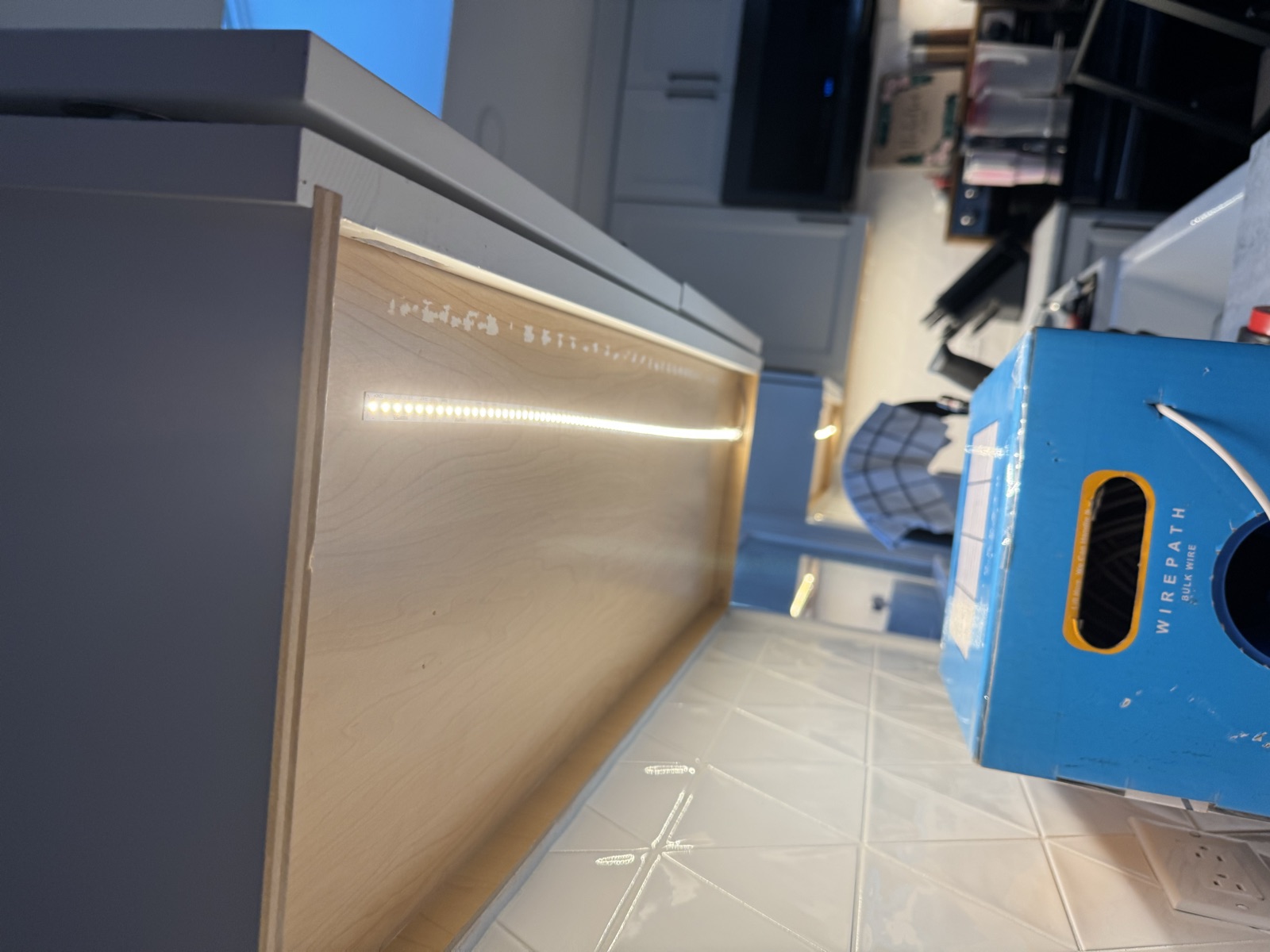
For accent lighting, under-cabinet lighting, and color-changing effects, Philips Hue bulbs and light strips remain the most popular choice. They work alongside smart switches in a complementary setup.
Voice and App Integration: Alexa, Google Home, and Apple HomeKit
One of the biggest benefits of smart lighting is hands-free control. Most major smart lighting systems integrate with all three major voice platforms:
Amazon Alexa: The most widely used platform. “Alexa, turn off the living room lights” is intuitive for most households. Alexa routines let you automate lighting based on time of day, sunrise/sunset, or other triggers.
Google Home: Works similarly to Alexa and is the natural choice for Android-heavy households. Google’s automation through Google Home and Google Assistant is robust.
Apple HomeKit: The most secure and privacy-focused option. HomeKit requires Apple-certified devices (Lutron Caseta is HomeKit compatible), but gives you local processing rather than relying entirely on cloud servers. For Apple households in Bucks County, HomeKit lighting that works through the Home app and Siri is seamless.
Most professional installations are platform-agnostic - your installer sets up the hardware correctly, and you choose how you want to control it.
What Does Smart Lighting Cost in PA?
Costs depend heavily on how many switches you’re replacing and which product line you choose.
| Scope | Estimated Cost |
|---|---|
| Single room (2–4 switches), Kasa or Leviton | $250–$500 installed |
| Whole-floor upgrade (6–10 switches), Lutron Caseta | $800–$1,800 installed |
| Whole-home installation, 20+ switches, Lutron Caseta | $2,500–$5,000+ installed |
| Lutron RadioRA 3 whole-home system with keypads | $5,000–$15,000+ installed |
These ranges include equipment, labor, and programming. DIY installation is possible for individual smart switches, but whole-home projects benefit from professional installation to ensure consistent wiring, proper load calculations (especially for dimmers), and correct configuration across platforms.
Energy savings from LED-based smart lighting typically run 30–50% compared to older incandescent or halogen fixtures. For a home that spends $150/month on electricity, lighting improvements might save $20–$40 per month - meaningful over time.
Benefits Beyond Convenience
Homeowners often focus on the “cool factor” of smart lighting, but there are practical benefits worth considering:
Security: Lighting schedules and geofencing make your home look occupied when you’re away - a genuine deterrent. Exterior smart lighting that triggers on motion adds another layer.
Energy management: Smart dimmers reduce power consumption even on non-LED bulbs. Scheduling ensures lights aren’t left on in empty rooms.
Accessibility: Voice control and app control help elderly family members or those with mobility limitations manage their environment without reaching for switches.
Home value: Smart home features increasingly factor into buyer perceptions, particularly in the suburbs of Bucks and Montgomery County where tech-forward buyers are common.
What to Expect from a Professional Smart Lighting Installation
A professional installation from a licensed electrician typically involves:
- Assessment: Walking through the home, noting switch locations, checking for neutral wires, discussing goals and budget.
- Product selection: Recommending brands and switch types based on your home’s wiring and your preferences.
- Installation: Replacing switches, ensuring proper load sizing for dimmers, verifying all circuits are correctly wired.
- Configuration: Connecting devices to your network or hub, setting up rooms and groups in your chosen app, integrating with Alexa/Google/HomeKit.
- Walkthrough: Showing you how to use the system before leaving.
A rushed or DIY approach to smart lighting often results in flickering on dimmers (a load compatibility issue), devices that fall offline, or inconsistent automations. Getting it done right the first time saves frustration.
FAQ
Q: Do smart switches work with existing LED bulbs? A: Usually yes, but not always. Smart dimmers require compatible (dimmable) LED bulbs to avoid flickering or buzzing. Your installer can advise on bulb compatibility or recommend replacing bulbs during the project.
Q: Can I install smart lighting in a home without a neutral wire in the switch boxes? A: Yes. Lutron Caseta is designed to work without a neutral wire and is the most common solution for older homes in Bucks and Montgomery County. Some other brands also offer no-neutral options.
Q: Does smart lighting work during a Wi-Fi or internet outage? A: It depends on the system. Lutron Caseta uses a local hub and continues working during internet outages (you just lose remote access and voice assistant functions). Wi-Fi-only switches from other brands may not respond locally without internet.
Q: Is smart lighting installation worth it in a rental property or older home? A: For rentals, smart switches are more practical than smart bulbs because tenants won’t accidentally disable them. In older homes, Lutron Caseta handles no-neutral wiring elegantly. The energy savings and convenience still apply.
Interested in smart lighting for your home? Call Graff’s Electric & IT at (215) 559-1989 or visit graffselectric.com to discuss your project. We install smart lighting systems throughout Bucks County and Montgomery County, including Warminster, Doylestown, Blue Bell, Lansdale, and surrounding communities.
Sponsored
Need a Licensed Electrician?
Serving Bucks & Montgomery County. Free estimates on all projects.
Get Your Free EstimateNeed Help With This?
Graff's Electric & IT Solutions is here to help with all your electrical and technology needs in Bucks & Montgomery County.