 Security
 Table of Contents
A security camera system is only as good as its placement. You can buy the most expensive cameras on the market and still end up with blind spots, poor footage, or missed events if the cameras aren’t positioned correctly. This guide walks through the essential locations to cover, the decisions you’ll face along the way, and what to expect from a professional security camera installation in Bucks County or Montgomery County, PA.
Start With the Entry Points
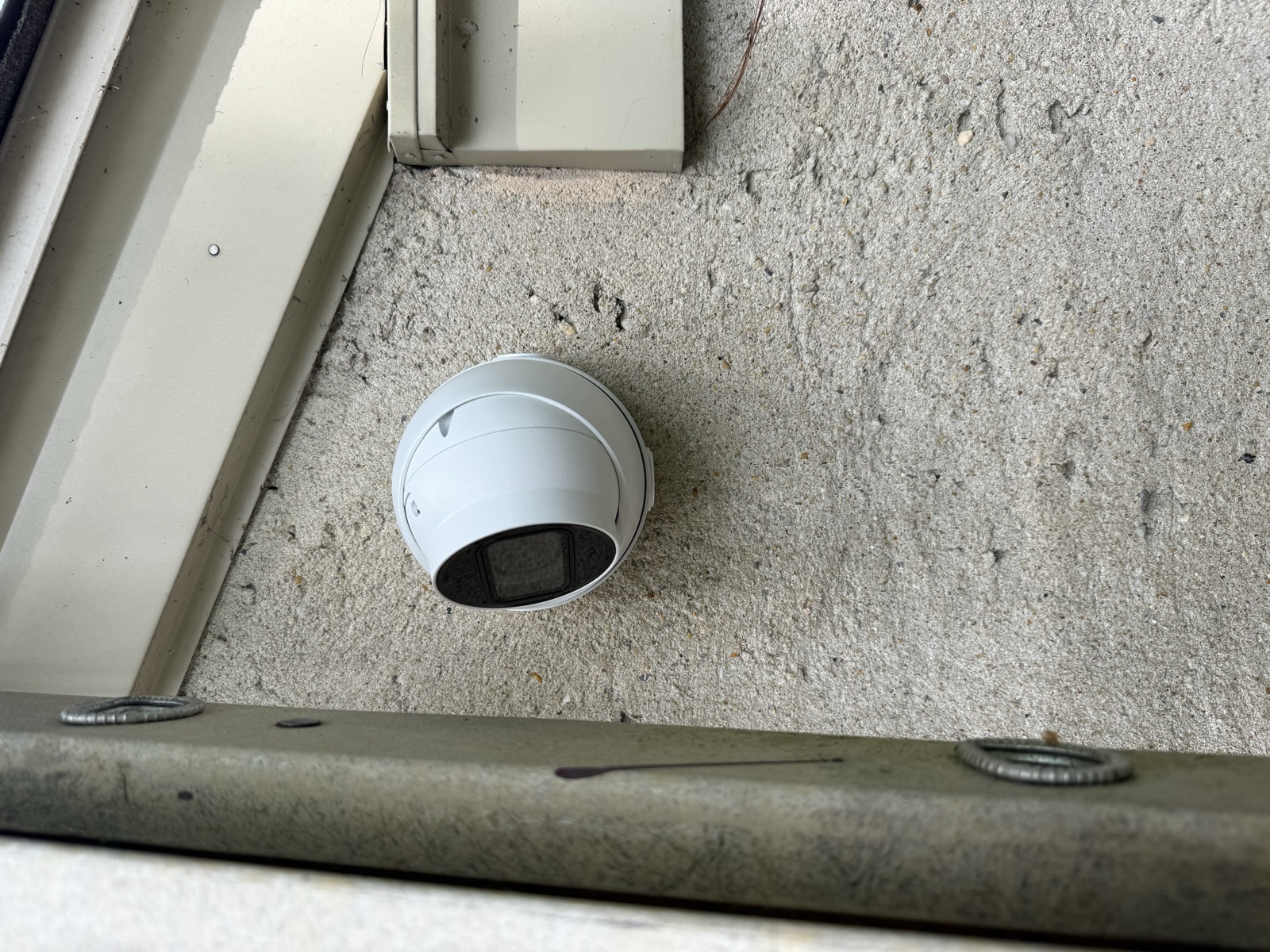
Every security camera plan should start with the front door. Studies consistently show that the majority of break-ins happen through the front door - often in broad daylight. A camera mounted above the front door, angled slightly downward, gives you a clear face-level view of anyone approaching. Position it high enough to prevent tampering but low enough to capture usable facial detail (typically 8–10 feet above the ground).
Don’t stop at the front door. Side doors, back doors, and any door that leads from an attached garage into the home are all entry points that need coverage. A determined intruder will test every option - your camera placement should reflect that.
Key entry point locations to cover:
- Front door (primary)
- Back door and sliding glass doors
- Garage entry door (if attached to home)
- Side gates or basement access
Driveway and Garage Coverage
Your driveway is more than a parking spot - it’s the first place an intruder assesses your home. A camera at the end of the driveway captures approaching vehicles, license plates, and anyone casing the property before they ever reach the door.
For the garage itself, consider both the exterior overhead door and the interior space if you store valuable equipment, bikes, or tools. Detached garages are a frequent target in suburban neighborhoods across Bucks County because they’re often less visible from the street and receive less foot traffic.
A camera positioned to cover the driveway approach and the garage door with a single wide-angle lens is often the most cost-effective setup for standard suburban lots.
Backyard and Perimeter Coverage
The backyard presents a different challenge. It’s often larger, less well-lit, and has more obstructions - trees, fences, sheds - than the front of the house. The goal isn’t to cover every square foot; it’s to cover the approach paths and egress points.
Focus cameras on:
- Back fence lines and gates
- Rear door and any sliding patio doors
- Detached structures (sheds, pool equipment areas)
- Any blind spots not visible from neighboring homes
A corner-mounted camera on the back of the house can often cover a wide arc of the yard. For larger properties in areas like New Hope, Buckingham, or Upper Dublin Township, you may need two cameras to eliminate dead zones along the perimeter.
Indoor Security Cameras
Indoor cameras serve a different purpose than exterior ones. They’re most useful for monitoring common areas when you’re away, verifying alarms, watching over elderly family members, or checking in on children after school.
The best indoor placement locations are:
- Main staircase or hallway (captures movement through the home)
- Living room or great room
- Home office (if you have valuable equipment)
- Mudroom or garage entry
Indoor cameras typically don’t require weatherproofing and can use simpler wireless setups. However, they raise privacy considerations - most homeowners choose not to place them in bedrooms or bathrooms.
Wired vs. Wireless: Which Is Right for Your Home?
This is one of the first decisions you’ll make, and both options have legitimate use cases.
Wired systems use coaxial or ethernet cable run from each camera to a central DVR or NVR recorder. They’re more reliable, don’t depend on Wi-Fi signal strength, and aren’t vulnerable to network congestion or interference. For a whole-home system in a larger Bucks County or Montgomery County property, wired is almost always the professional recommendation.
Wireless systems are easier to install and reposition, making them a good fit for renters, smaller properties, or situations where running cable through walls isn’t practical. The trade-offs are battery management (for truly wireless cameras), potential Wi-Fi dead spots, and susceptibility to interference or jamming.
A hybrid approach is common in professional installations: wired cameras for permanent exterior coverage, with wireless units filling gaps in hard-to-reach locations.
Night Vision and Low-Light Performance
A security camera that can’t see at night is only half a system. Look for cameras with infrared (IR) night vision rated for the distance you need - most residential exterior cameras have IR range of 30 to 100 feet, which is sufficient for driveways and entry points.
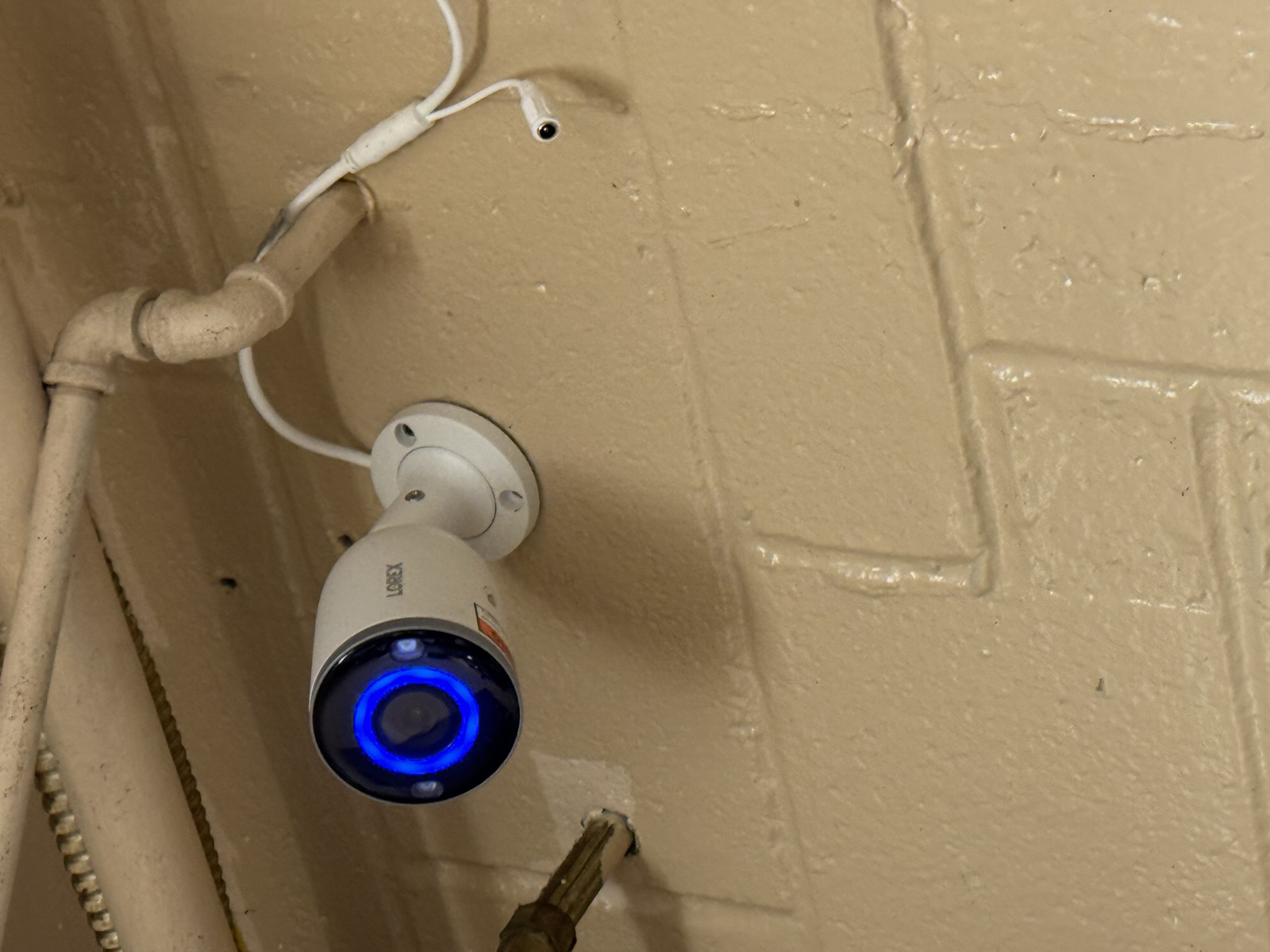
Color night vision cameras, which use ambient light or a built-in spotlight to produce color footage after dark, are increasingly popular because they capture details (clothing color, vehicle color) that standard IR misses. They’re worth the small premium for front door and driveway cameras where identification matters most.
Pennsylvania Weather Considerations
Bucks County and Montgomery County experience the full range of Mid-Atlantic weather: hot, humid summers; hard winters with ice and snow; and significant temperature swings in spring and fall. Not every camera is built to handle this.
Look for cameras with an IP67 or IP66 weatherproof rating for any exterior installation. Avoid placing cameras where direct sunlight will heat the housing for hours each day - this shortens lifespan. Mount under eaves where possible to reduce rain and ice exposure.
For cameras in exposed corners or on detached outbuildings, use metal housing with proper conduit weatherproofing at the cable entry point. A camera that fails after one Pennsylvania winter is a waste of money and a gap in your security coverage.
What a Professional Security Camera Installation Includes
A licensed installer does more than mount the hardware. They assess your property for coverage gaps, recommend camera types suited to each location, run cable cleanly through walls and attic spaces, configure recording schedules and motion zones, and test the entire system before they leave.
In Bucks and Montgomery County, security camera installation is often bundled with structured cabling or smart home work - if you’re already having electrical work done, it’s a natural time to add or upgrade cameras. A professional installation also ensures your system is set up to record continuously or on motion detection, with footage accessible remotely from your phone.
FAQ
Q: How many security cameras does a typical home in Bucks County need? A: Most single-family homes are well-covered with 4 to 8 cameras - front door, back door, driveway, garage, and two to three backyard coverage points. Larger properties or homes with multiple structures may need more. A site walk-through with an installer gives you the most accurate recommendation.
Q: Do I need a permit to install security cameras at my home in Pennsylvania? A: Generally, no permit is required for standard camera installation. However, if the installation involves new electrical work (adding circuits, running power to exterior locations), those electrical components may require a permit depending on your municipality. A licensed contractor handles this when applicable.
Q: What’s the difference between DVR and NVR recording systems? A: DVR (digital video recorder) systems work with analog coaxial cable cameras. NVR (network video recorder) systems work with IP cameras over ethernet. NVR systems generally offer higher resolution, easier remote access, and more flexible installation options. Most modern professional installations use NVR with Cat6 cabling.
Ready to protect your home with a professionally installed security camera system? Call Graff’s Electric & IT at (215) 559-1989 or visit graffselectric.com to schedule a consultation. We serve homeowners throughout Bucks County and Montgomery County, including Warminster, Doylestown, Lansdale, Blue Bell, and surrounding communities.
Sponsored
Need a Licensed Electrician?
Serving Bucks & Montgomery County. Free estimates on all projects.
Get Your Free EstimateNeed Help With This?
Graff's Electric & IT Solutions is here to help with all your electrical and technology needs in Bucks & Montgomery County.